
NAS Group of Companies
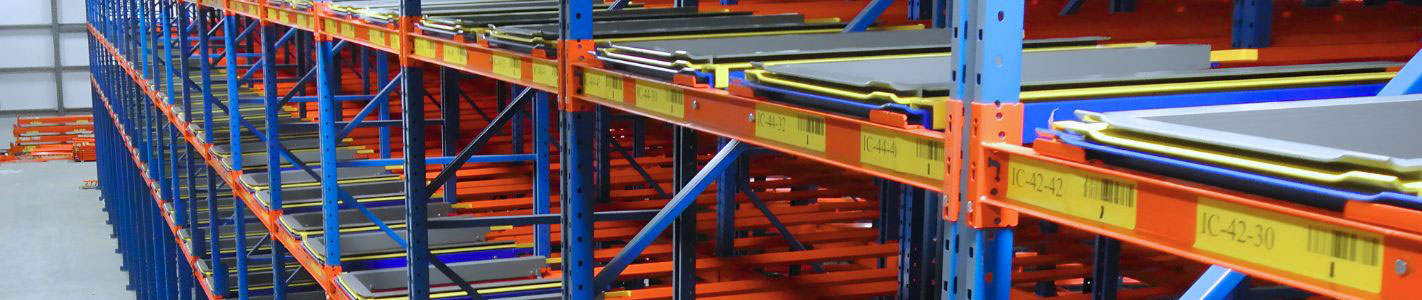
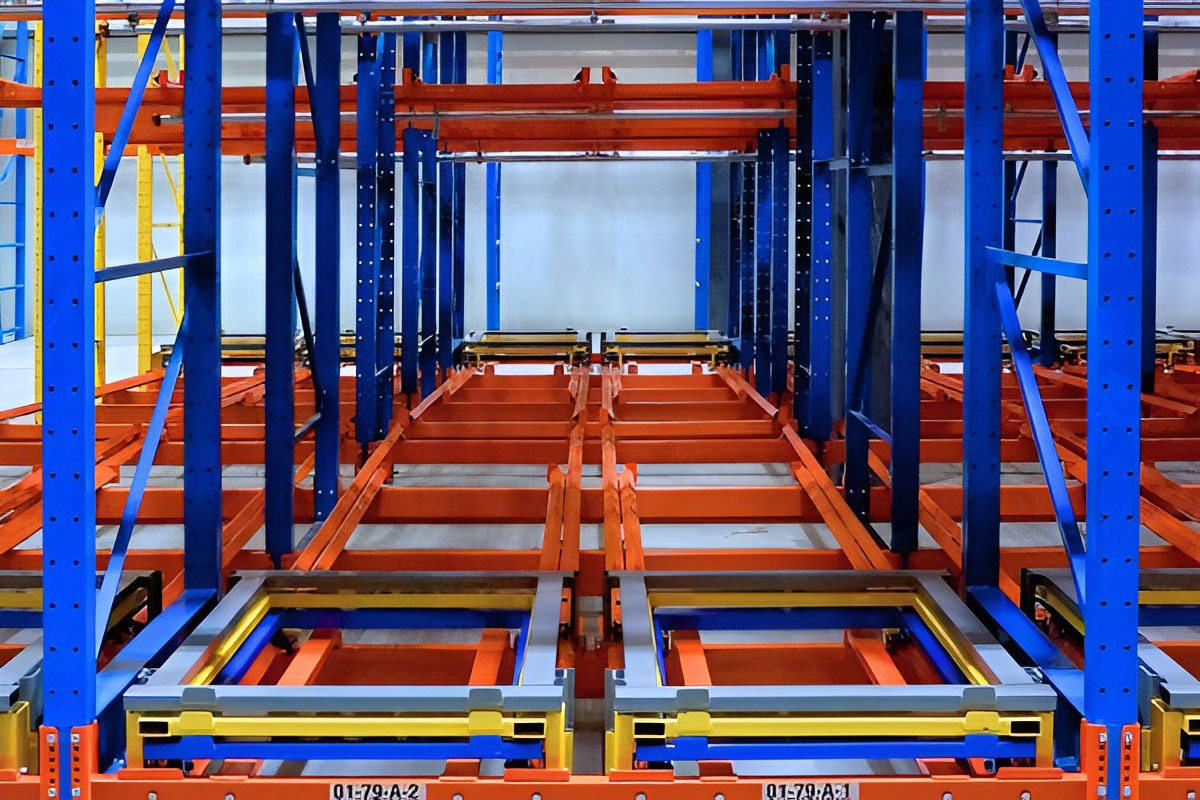
Elevated view of a multi-level pushback pallet racking system featuring nested sliding carts and yellow safety stops on orange structural beams and blue upright frames.

Pushback Racking

Pushback Racking Systems for Canadian Warehouses

When it comes to optimizing your warehouse’s storage capacity and improving inventory management, Pushback Racking is a versatile solution that maximizes both space and efficiency. This robust system offers several key advantages that make it an ideal choice for industries seeking vertical storage solutions.
Depth
2-6 pallets
Access
Single aisle
Rotation
LIFO
SKU Selectivity
Lane-level
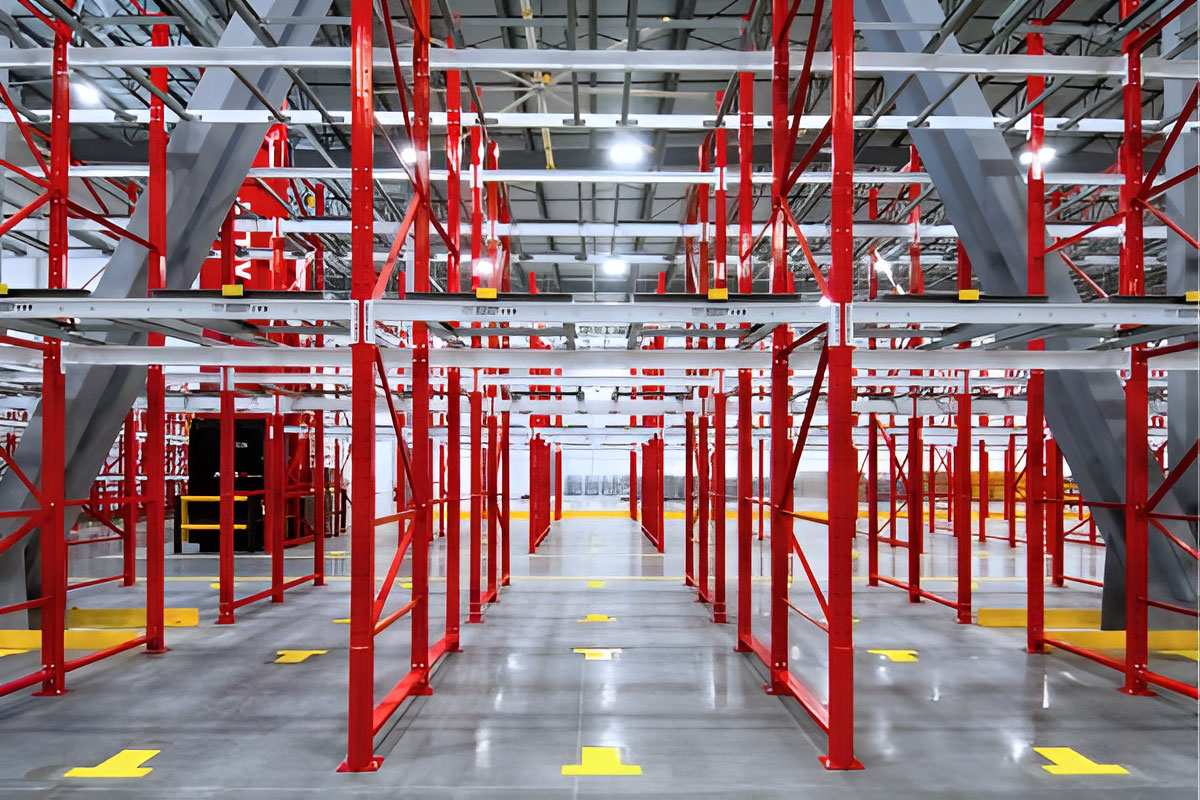
Front view of a red steel pushback warehouse racking solution showing empty bays and yellow floor guides in a distribution center.

Key Features & Benefits

  • Pushback Racking combines the increased pallet counts of Drive-In Racking systems with quicker access to rear pallets, enhancing operational efficiency.
  • Operates on the Last-In, First-Out (LIFO) principle, with independent lanes that accommodate multiple products per bay.
  • Ideal for depths ranging from two to six pallets, often installed against a wall or in back-to-back rows.
  • Versatile design for various pallet sizes and weights.
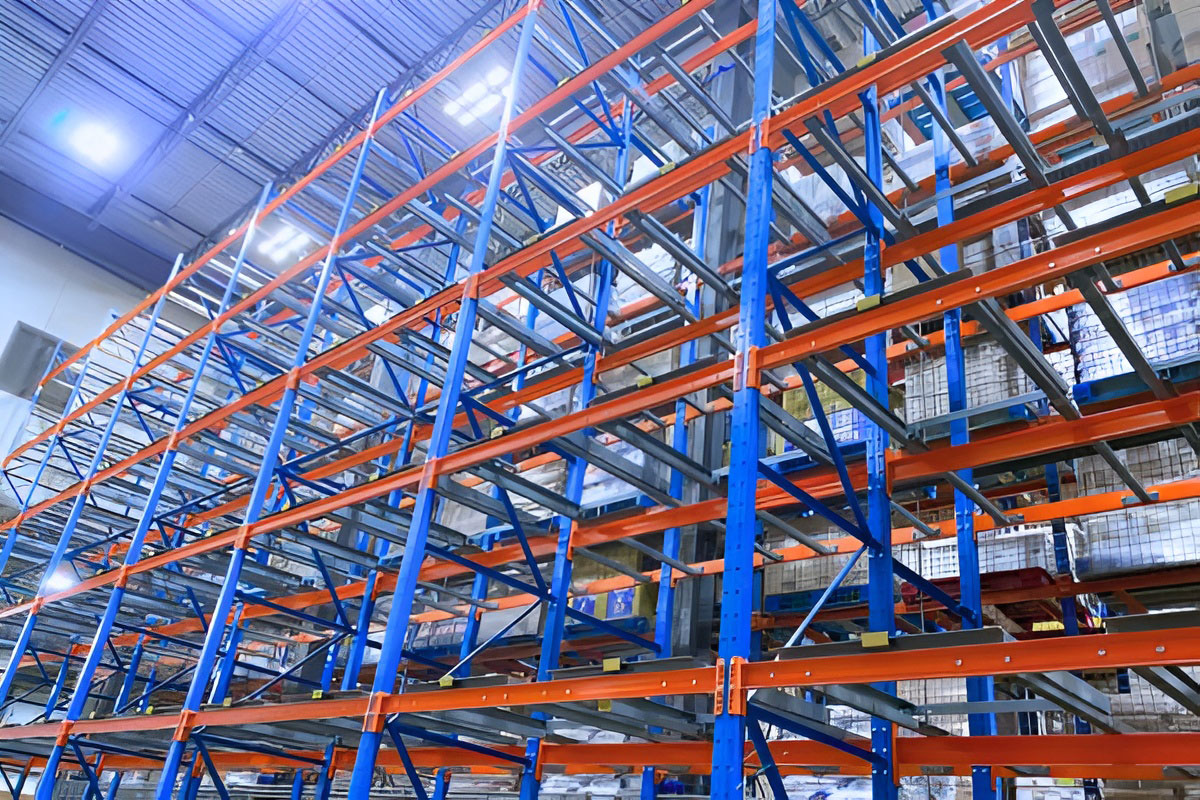
Low-angle view looking up at a multi-tier blue and orange pushback rack structure designed for high-density pallet storage.

High-Density Storage with Selectivity

Pushback Racking stores more pallets in the same footprint than most other systems, limited only by your lift trucks' maximum height. It also offers more selectivity than Drive-In Racking, letting you retrieve specific pallets within an aisle without disturbing the rest.
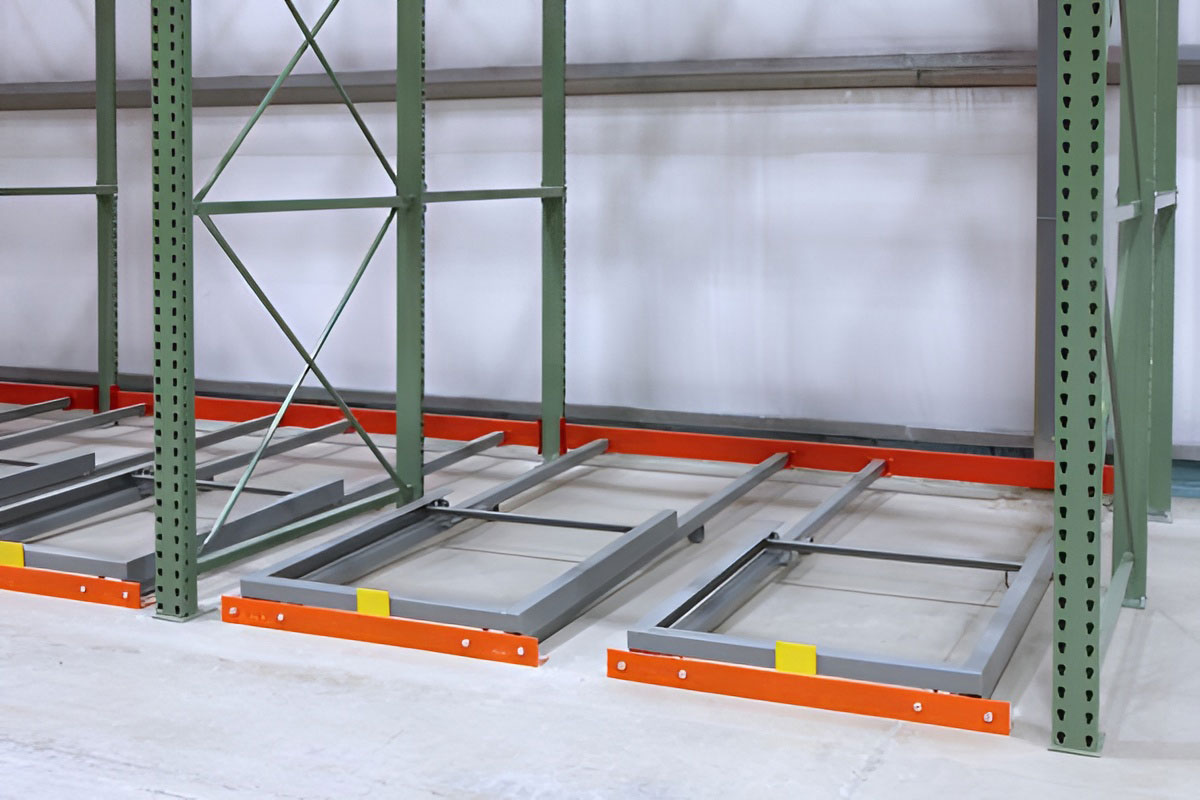
Ground-level view of grey pushback cart mechanisms resting on floor-mounted orange rails within green upright frames.

Efficient Inventory Management

Each lane operates on a Last-In, First-Out basis, keeping the newest arrivals easy to reach through a gravity-fed cart system. Grouping lanes by date also lets you rotate SKUs on a First-In, First-Out basis across the system.
Close-up view of nested cart rails and color-coded pushback nesting trays installed on an industrial rack frame.

Customizable Depths and Adaptable Layouts

Lane depths from two to six pallets can be installed against a wall or back-to-back, so building columns won't interfere with your packing aisles.

Pushback Racking, Installed Across Canada

From Ontario to Alberta and beyond, NAS Group designs, manufactures, and installs Pushback Racking systems built for the demands of Canadian warehouses. Our in-house engineering and installation teams work directly with your operation to configure a system suited to your space, throughput, and rotation needs, backed by coast-to-coast service and support.

See Areas We Serve

Frequently Asked Questions

How does Pushback Racking work?
Pallets load from the front of the lane and rest on nested carts that ride on rails set at a slight decline. Loading a new pallet pushes the ones behind it back; removing the front pallet lets gravity feed the next one forward. This makes Pushback Racking a Last-In, First-Out system within each lane.
What's the difference between Pushback Racking and Drive-In Racking?
Both are high-density systems, but Pushback Racking gives you access to every lane from the same aisle, so you can reach multiple SKUs without moving other pallets. Drive-In Racking requires forklifts to enter the rack structure itself, which limits selectivity and increases the risk of rack damage.
How deep can a Pushback Racking lane be?
Pushback Racking typically supports lane depths of two to six pallets. Deeper lanes increase storage density but reduce selectivity, so the right depth depends on how many SKUs you need to access independently.
Is Pushback Racking FIFO or LIFO?
Within a single lane, Pushback Racking operates on a Last-In, First-Out basis, since the most recently loaded pallet is always at the front. If you group lanes by date and dedicate each lane to a single batch, you can achieve First-In, First-Out rotation across the system as a whole.