
Industries We Serve
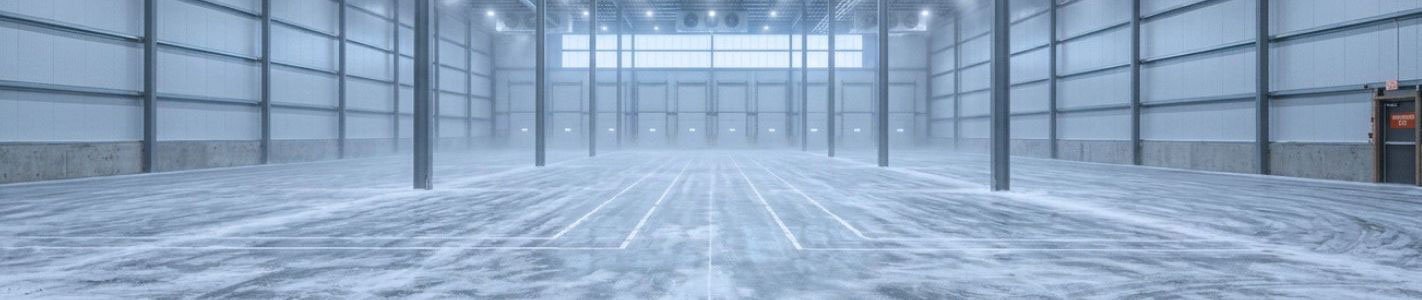
Cold Storage & Freezer
Storage Solutions for Cold Storage & Freezer Warehouses
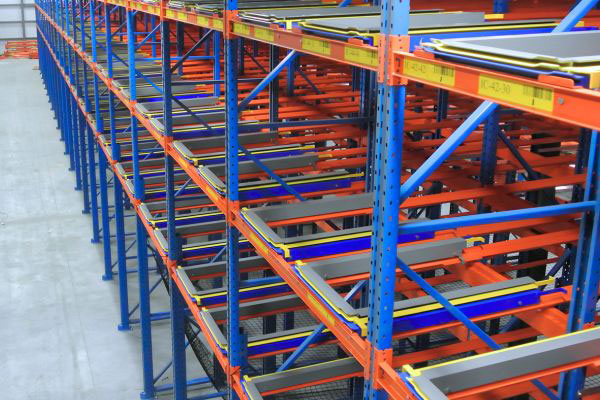
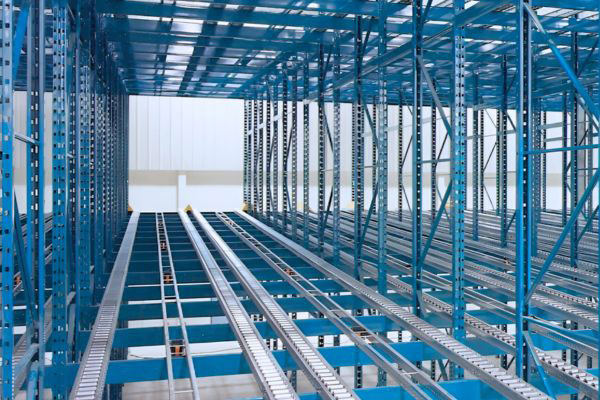
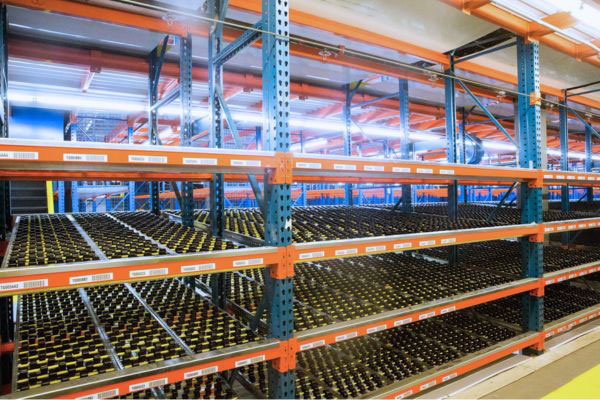
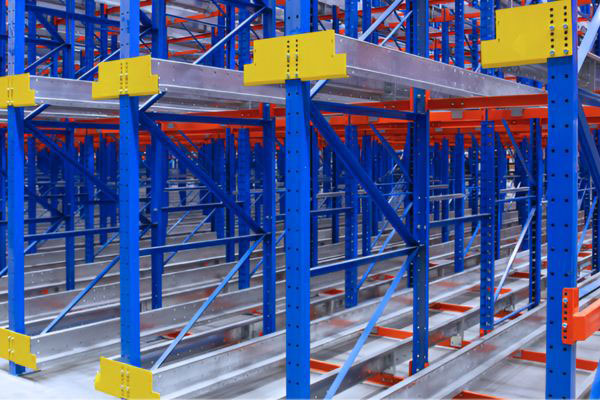
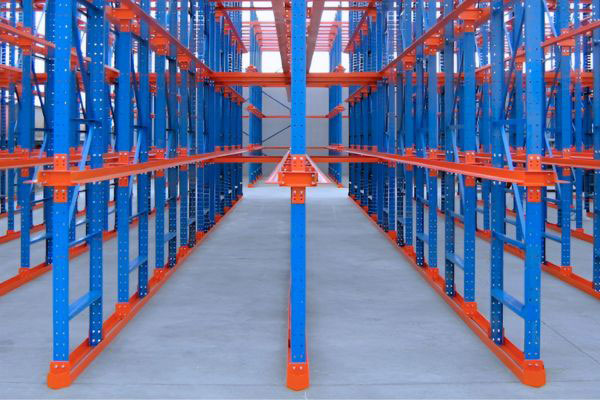
NAS Group offers space-saving racking solutions designed for the unique demands of cold storage and freezer warehouses. From Shuttle Cart Racking that supports high-density storage to custom engineering and rack designs built for cold environments, such as our 62-ft tall VNA system, we deliver peak performance using food-grade, temperature-resistant materials adaptable to various packaging sizes and weights.
We design each cold storage system around the realities of sub-zero operations, from finishes that hold up to condensation and frost to high-density layouts that reduce the refrigerated space you need to cool and the time your team spends in the cold.
Industry-Specific Challenges
- Maintaining strict temperature consistency to protect product integrity.
- Managing condensation and frost buildup in sub-zero environments.
- Ensuring equipment reliability under extreme cold conditions.
- Navigating materials handling in confined, low-temperature spaces.
- Reducing labor strain through streamlined, automated solutions.
Why Choose Us

Decades of Experience
50+ years of experience designing and installing industrial storage systems across Canada, backed by a team that understands the demands of modern warehousing.

Canadian-Made
Our racking systems are proudly manufactured in Canada, ensuring strict quality control, faster lead times, and support for local industry and jobs.

End-to-End Service
From initial consultation to engineering and design, manufacturing, installation, and ongoing support, we manage every step so you don't have to coordinate multiple vendors.

Compliance You Can Trust
All our systems meet Canadian safety standards and codes, giving you confidence that your storage infrastructure is safe and compliant from day one.
Storage Solutions, Installed Across Canada
With teams based in Whitby, Ontario, and Calgary, Alberta, NAS Group designs, manufactures, and installs storage solutions for facilities nationwide. Find the service area nearest your facility.
View Areas We Serve